
Project Sapucaia

Afforestation & Reforestation

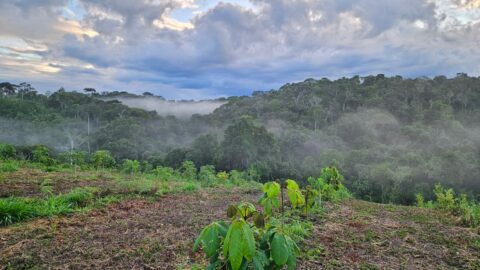
Reforestation and afforestation in Brazil's Atlantic forest

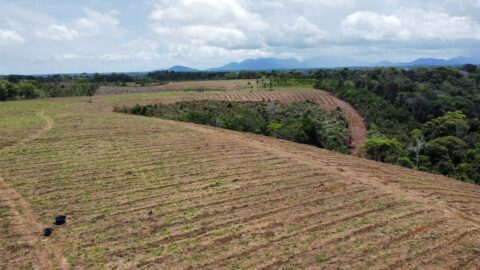
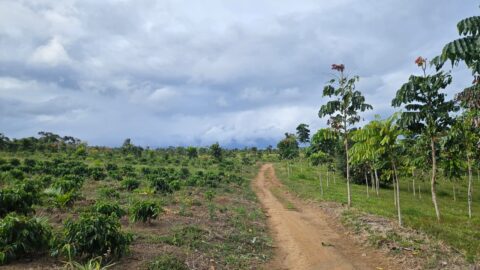
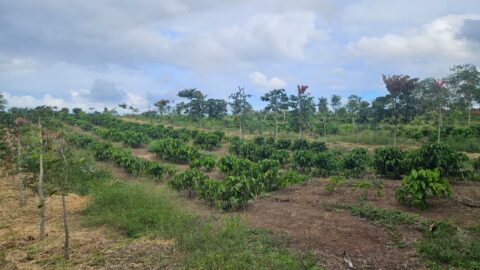
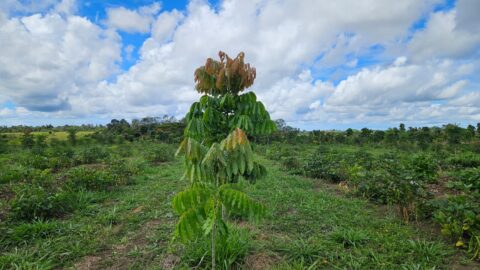
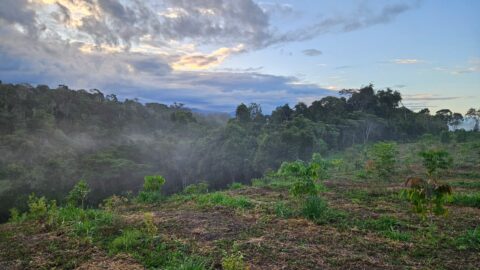
The Sapucaia Sustainable Forests project transforms degraded pasturelands into thriving forest ecosystems through an innovative 3-level restoration approach: regenerative silviculture, agroforestry, and ecological restoration. Located in the Atlantic Forest biodiversity hotspot, it contributes to revitalizing High Conservation Value areas and enhancing connectivity between fragmented forest remnants, directly expanding habitat for the critically endangered Golden Lion Tamarin and 30 IUCN-threatened species. Its comprehensive approach combines mixed-native forestry systems producing sustainable timber with agroforestry providing income diversification for local communities, while full ecosystem restoration in priority conservation areas maximizes biodiversity benefits. The project will create 100 permanent jobs and is certified under the Verified Carbon Standard (VCS), Climate Community & Biodiversity (CCB), and Forest Stewardship Council (FSC) standards.
Activities
  • Regenerative silviculture: Mixed-native forestry systems producing sustainable timber while restoring forest structure and biodiversity
  • Agroforestry systems: Integration of agricultural production with native tree species, providing income diversification for local communities
  • Ecological restoration: Full ecosystem restoration in priority conservation areas to maximize biodiversity benefits and habitat connectivity
  • Native timber bioeconomy: Development of sustainable native timber value chains supporting local economic development
  • Biodiversity conservation: Targeted habitat improvement for 30 IUCN-threatened species, with particular focus on Golden Lion Tamarin habitat expansion
  • Impact & evolution
    5,000
    hectares
    1,400,000
    CO2e emissions sequestrated over 40 years
    30
    IUCN-threatened protected species

    Standards

    VCS_logo

    Start year of operations

    2024

    First credit issuance

    2029

    Partnership with

    Sustainable Development Goals

    Integration of agroforestry systems providing food production alongside forest restoration
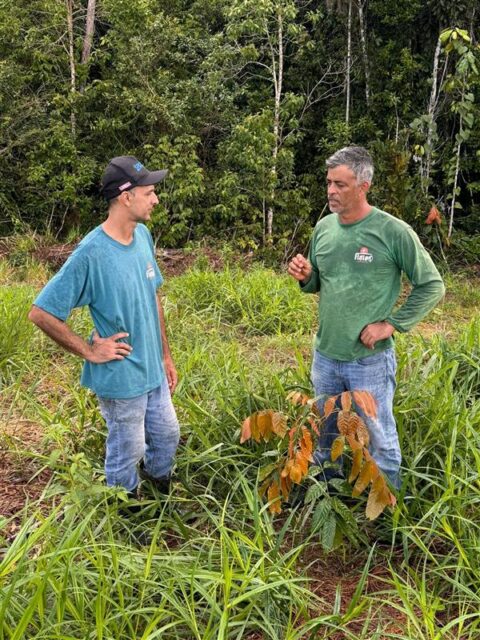
    Capacity building and training in sustainable forestry practices and restoration techniques
    Watershed protection and improved water quality through forest restoration and riparian conservation
    100 permanent jobs created for large-scale implementation of restoration activities
    Development of native timber bioeconomy supporting sustainable economic resilience
    Removing 1,4m tCO2e from the atmosphere on 40 years
    Boosting biodiversity and forest connectivity through ecological corridors and protecting the habitat of up to 30 IUCN threatened specie
    Collaborative approach leveraging partner expertise for end-to-end restoration services

    Let’s talk

    contact us
    chevron-rightarrow-right

    Cookies help us provide you with a secure and reliable experience. Some cookies are essential, while others help us improve our services.

    Accept All Accept Required Only